
20 Visits
In today’s healthcare landscape, patient safety and security are inseparable from technology. Hospitals handle not only sensitive medical data but also critical patient monitoring that can mean the difference between life and death. Yet many facilities still rely on outdated or disconnected monitoring systems, leaving patients and staff vulnerable.
The healthcare industry is undergoing a rapid digital transformation. According to Deloitte, over 60% of hospitals in the United States have already invested in Internet of Things (IoT) technologies to improve patient monitoring, streamline workflows, and enhance outcomes. But here’s the catch: when IoT networks fail, patient safety is at risk. Even a few minutes of downtime can disrupt critical medical devices and compromise care.
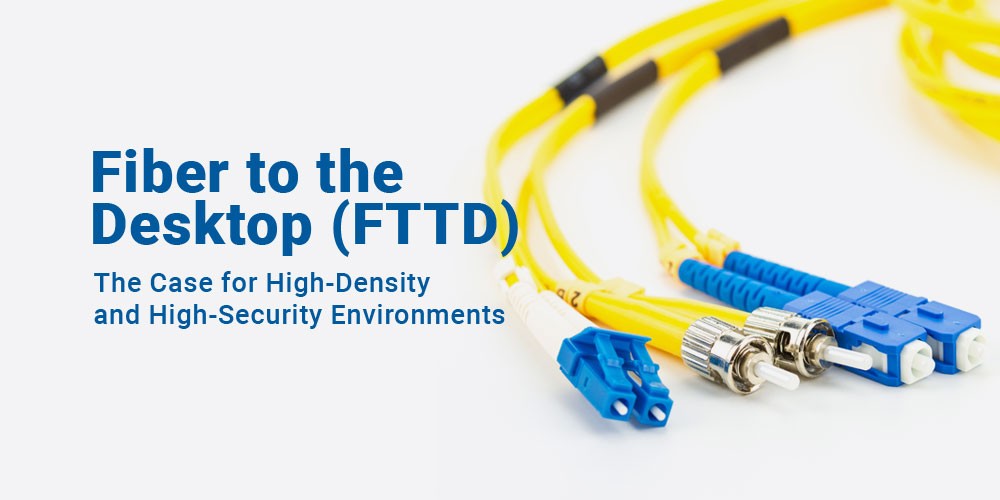
Fiber to the Desktop (FTTD) has become essential in mission-critical environments. Imagine a trading floor for finances, a military operations room, or a medical research lab where seconds count and security of data is everything. In these environments, one millisecond of downtime or a minor breach would be expensive. That's where Fiber to the Desktop (FTTD) saves the day.
Telemedicine has shifted from a convenience to a necessity. In 2024 alone, over 37% of U.S. adults reported using telehealth services (CDC). For hospitals and clinics, this rapid growth creates a challenge: how do you ensure that virtual healthcare and remote monitoring systems run reliably, 24/7, without the risk of downtime?
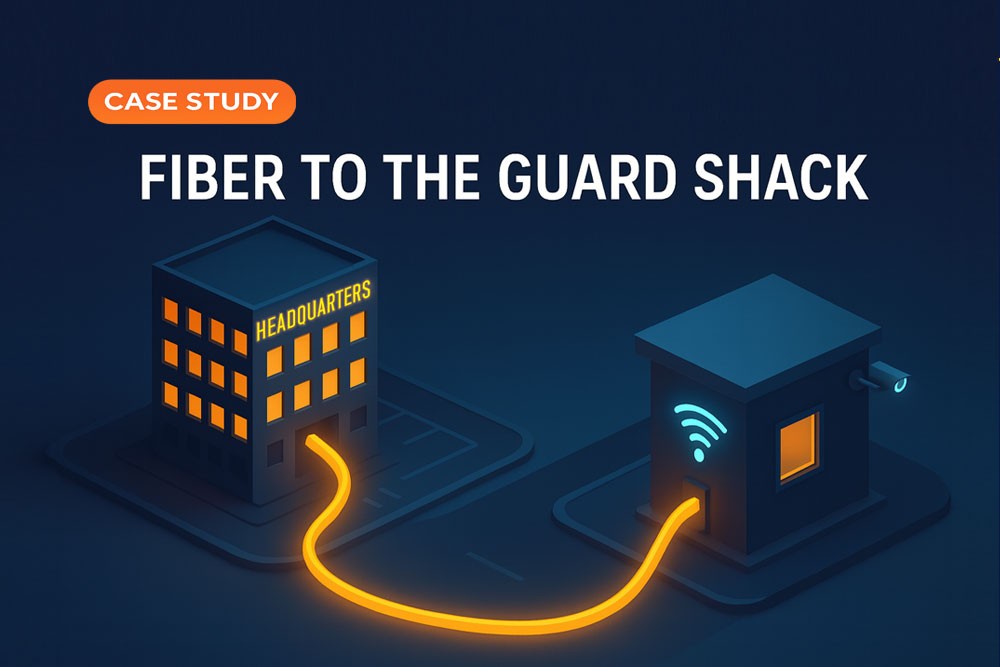
Across the globe, agencies and organizations are investing heavily in environmental monitoring networks to safeguard natural resources and public health. Whether it’s monitoring water treatment facilities, reservoir levels, or forest ecosystems, reliable, real-time data is critical. Yet connecting sensors spread over long distances remains one of the toughest challenges.
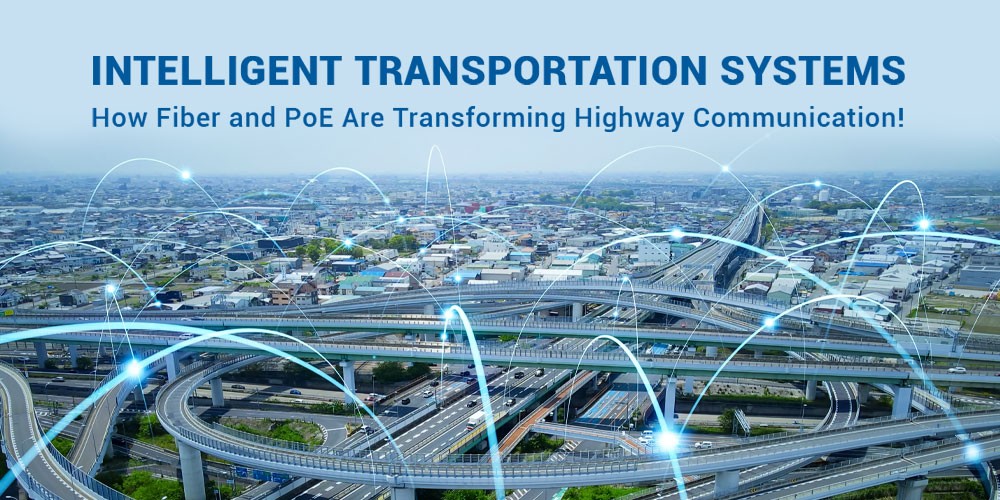
Every year, traffic congestion costs U.S. drivers more than $120 billion in lost time and fuel according to the Texas A&M Transportation Institute. Add to that the rising safety concerns on highways, and the need for modern, efficient, and connected road infrastructure becomes urgent.
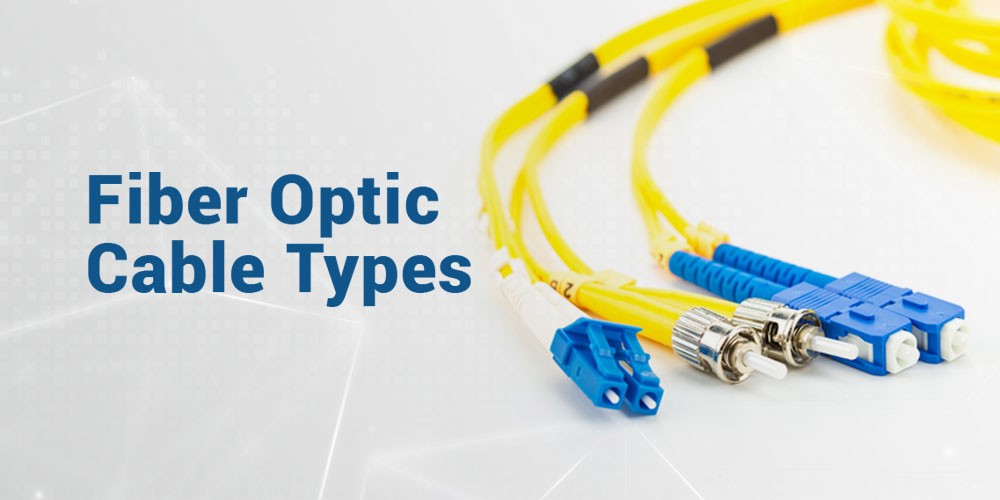
Fiber optic technology has transformed the way we transmit data, enabling faster, more reliable connections than traditional copper cables. Understanding fiber optic cable types is essential for anyone looking to build or maintain efficient fiber networks. From the fiber core and core size to single mode fiber and multimode fiber cables, each type of optical cable serves a specific purpose depending on transmission distance, network requirements, and installation environment. In this guide, Omnitron Systems explores the key differences between different types of fiber, their applications, and how to select the right type of cable for your network, whether for indoor fiber, cable television, or long-haul communications.
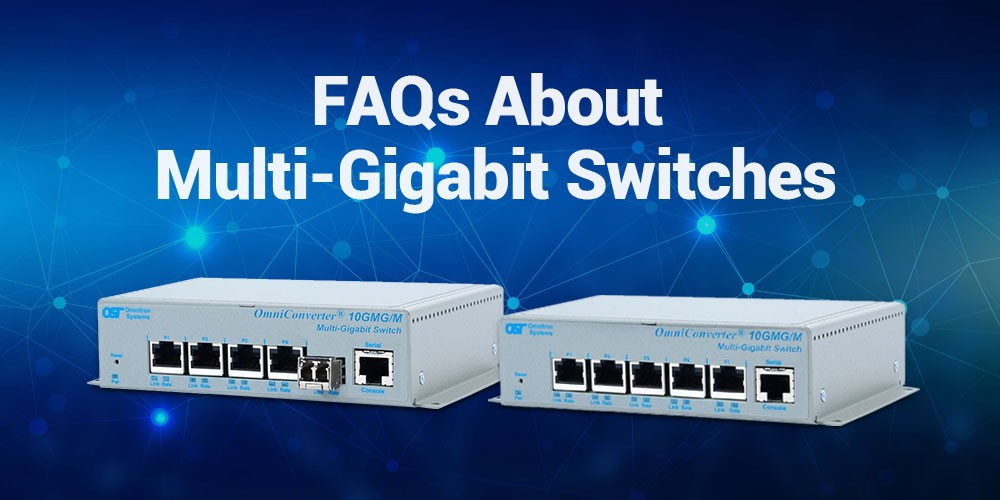
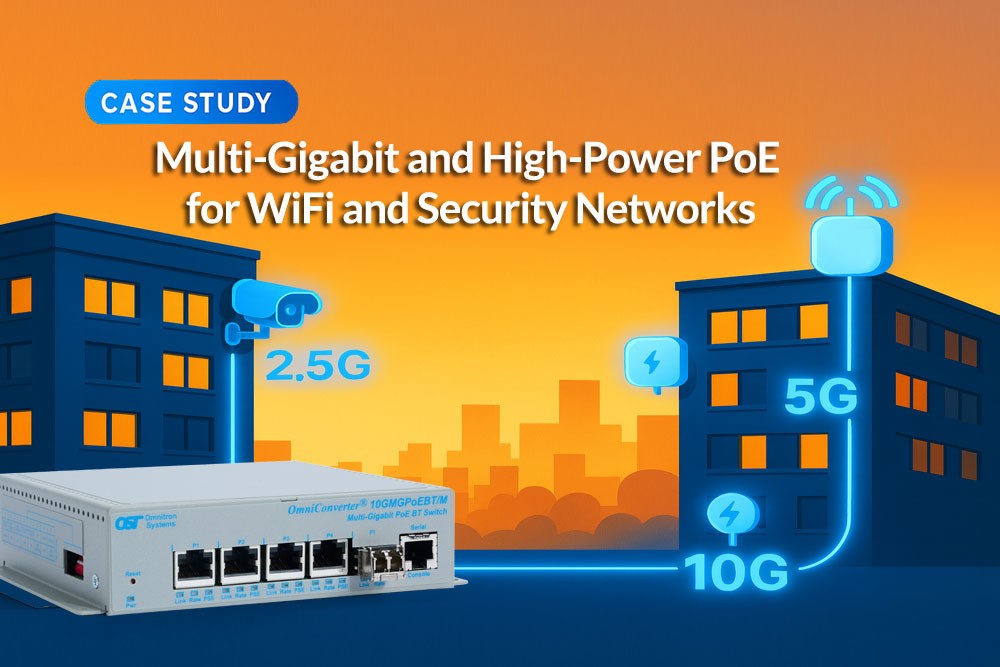
Businesses and organizations demand networks that are not just fast—but lightning-fast. Enter Multi-Gigabit Switches: the game-changing networking solution that delivers speeds far beyond traditional Gigabit connections. Whether you’re transferring massive files, powering Wi-Fi 6 access points, or running cloud-based applications, the right switch can make all the difference.
Fiber optic drones are making significant strides across multiple industries. These drones offer unique advantages, from line of sight communication to eliminating signal interference, making them highly valuable for applications ranging from telecommunications to electronic warfare. In this blog post, we will explore the advantages of fiber optic drones, potential applications, and how Omnitron Systems can integrate seamlessly to provide tactical advantages in diverse sectors.
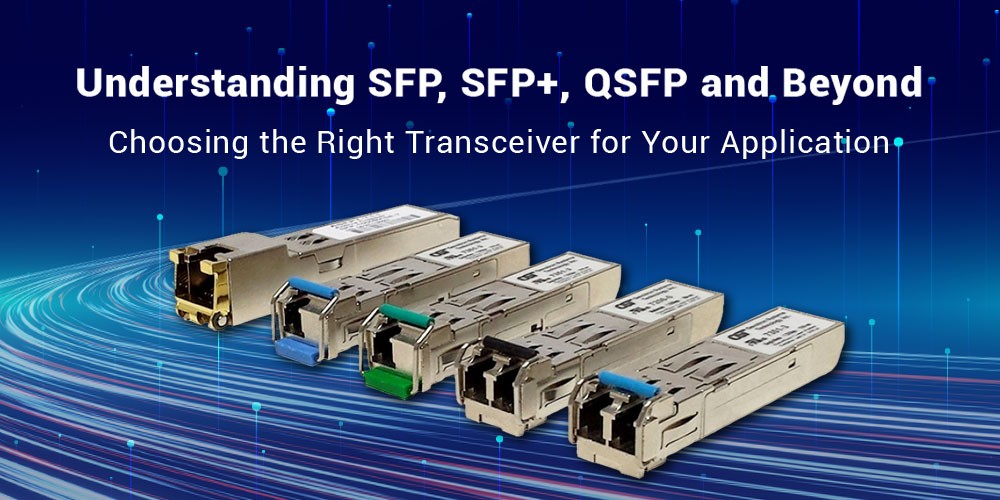
In the world of networking, the ability to connect devices with high-speed data transmission is crucial. Whether you are setting up a local area network (LAN), a data center, or an enterprise network, choosing the right optical transceiver is paramount. This guide will help you understand the different types of small form-factor pluggable (SFP) transceivers, including SFP+, QSFP, and more advanced models, ensuring you make the best choice for your network.
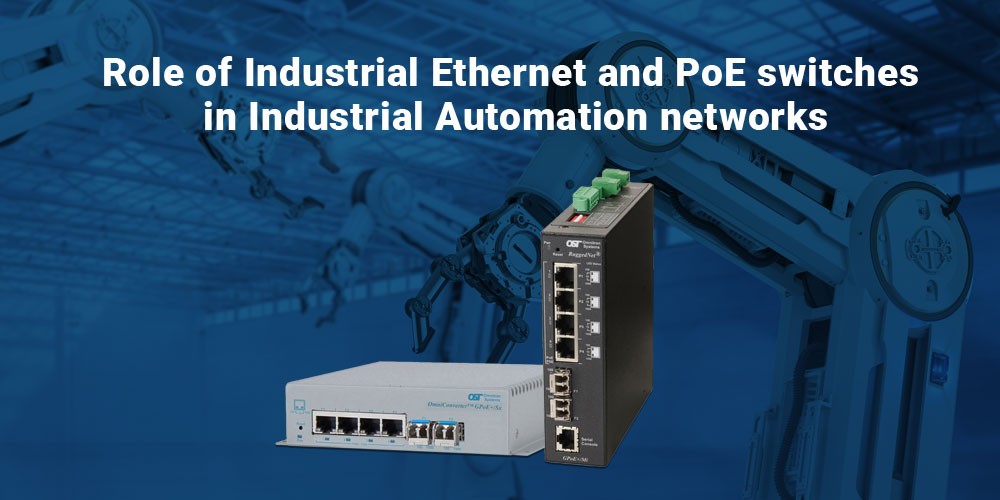
In the era of Industry 4.0 and the Industrial Internet of Things (IIoT), industrial networks need to be more robust, reliable, and scalable than ever before. Industrial Ethernet and PoE (Power over Ethernet) switches are foundational technologies enabling the connectivity, power management, and communication that modern automation systems rely on. Omnitron Systems’ RuggedNet® Industrial Ethernet Switches are engineered to meet the demanding requirements of industrial environments, powering everything from IoT devices to high-performance industrial machines.